
Escalating Electricity Bills
When monthly kilowatt-hour charges climb and tiered rates push costs higher, an engineered PV array with correct panel orientation offsets grid consumption and stabilizes long-term energy expenses.
Send us your details and we'll get back to you to schedule a time to talk.
Reliable Residential Solar in Watsonville
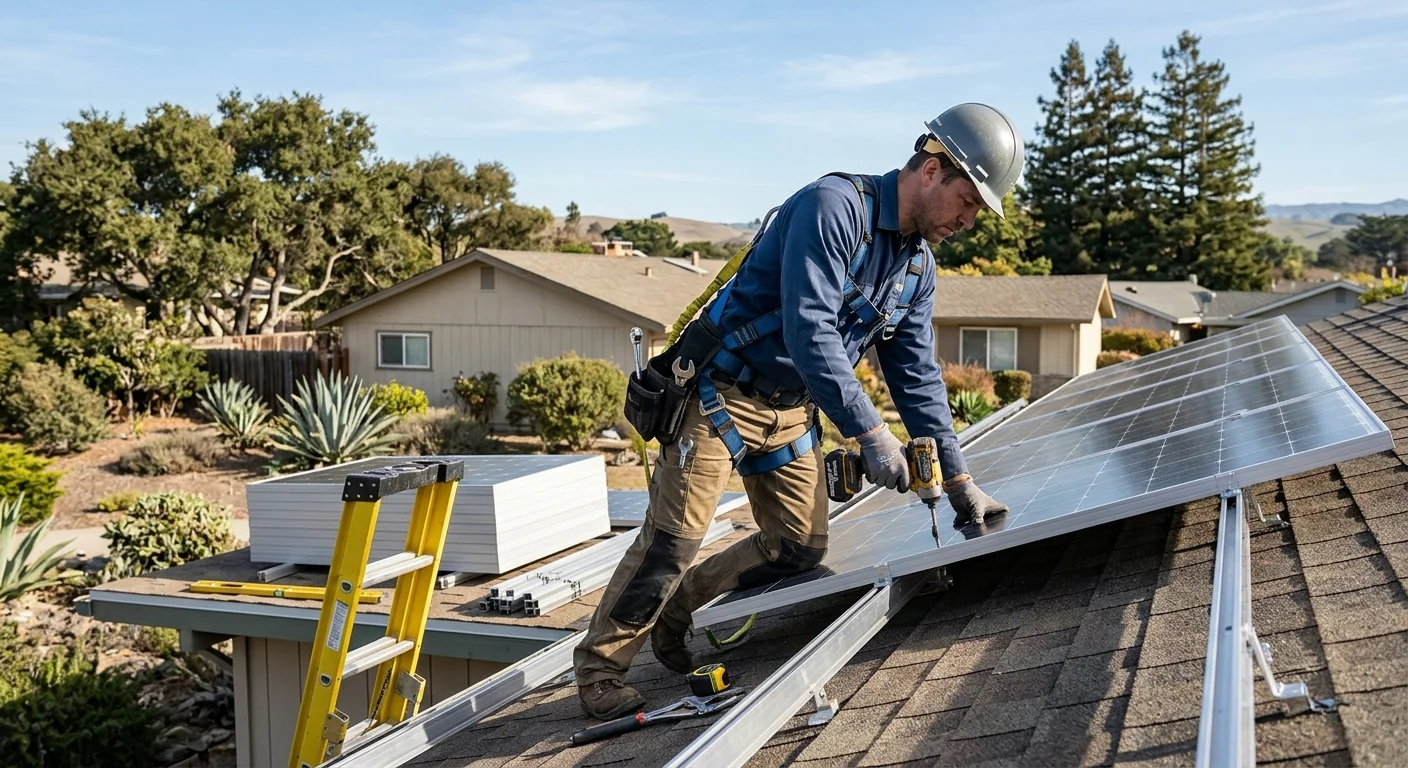
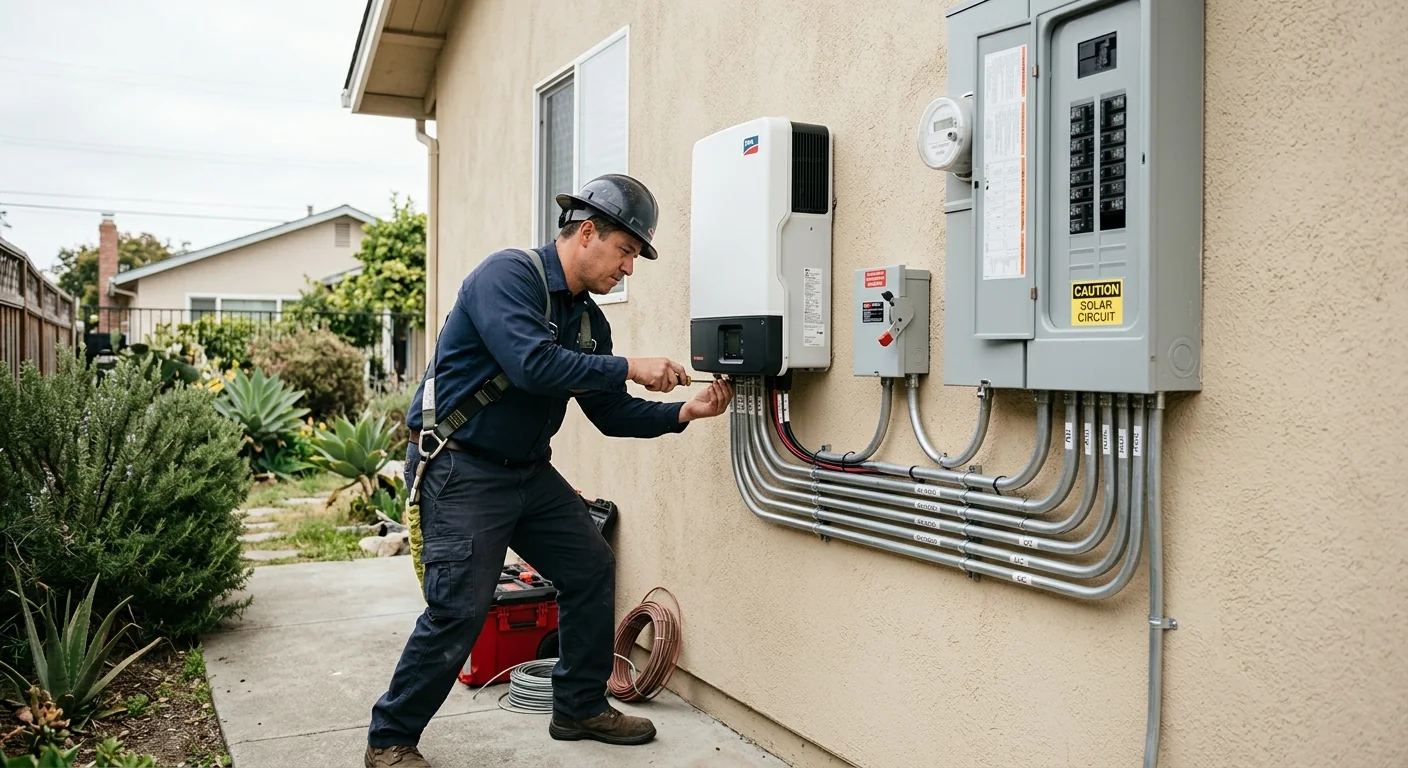
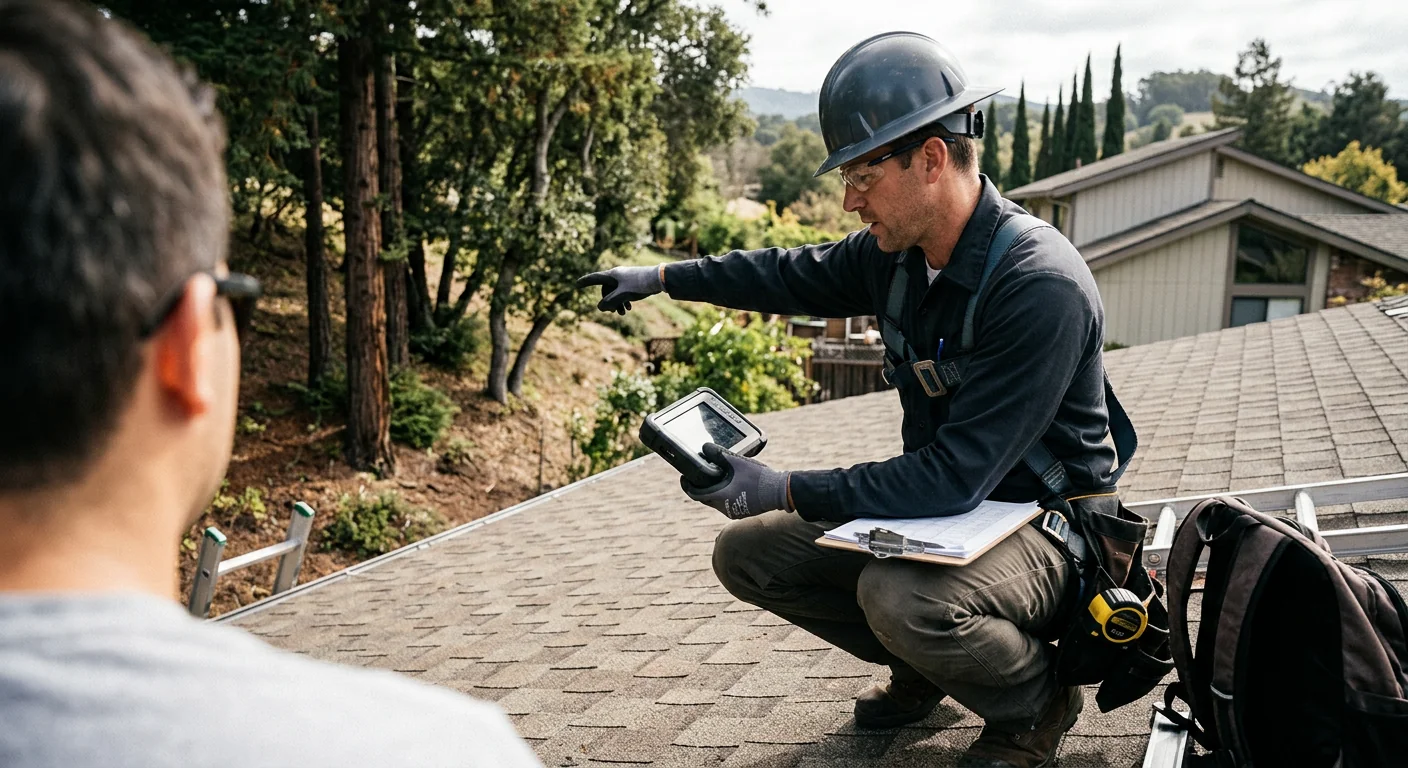
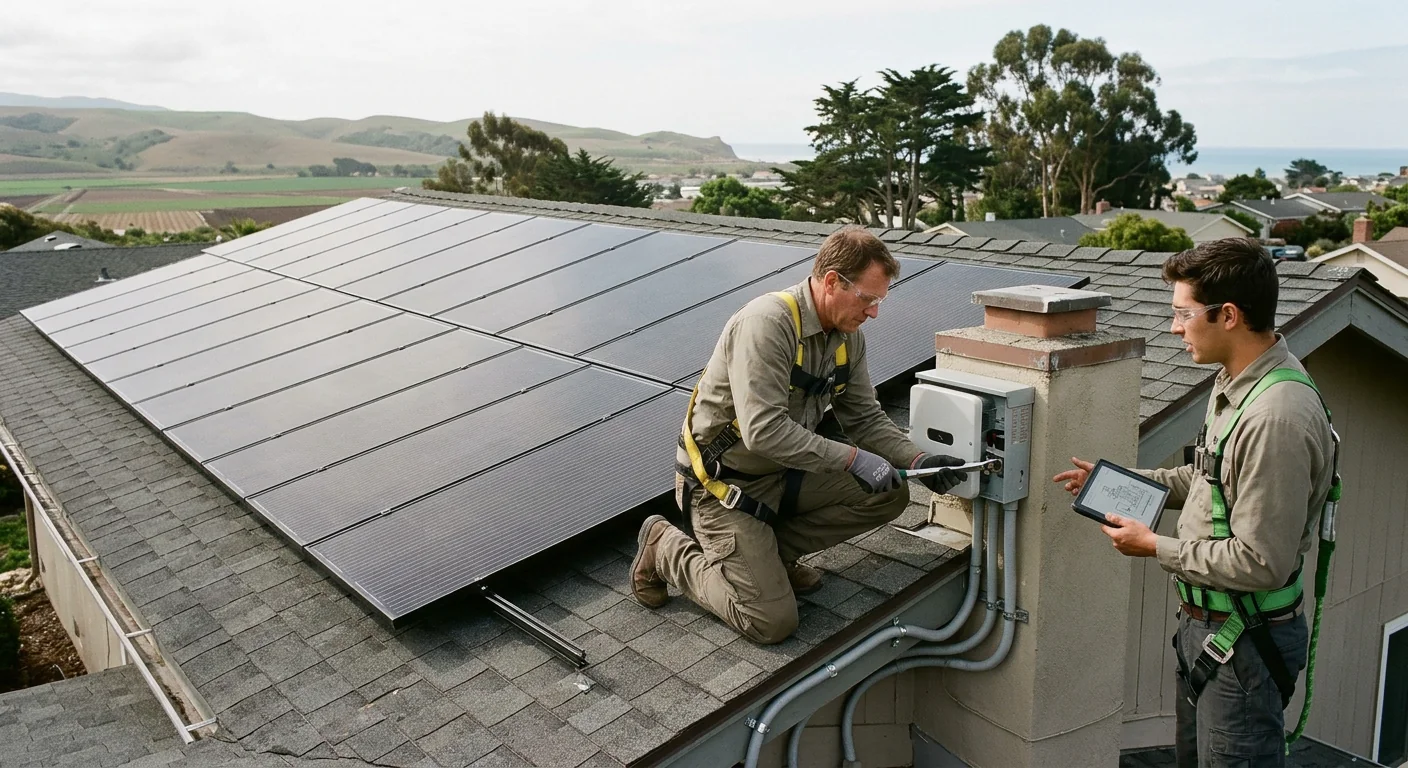
Residential Solar Installation is the process of designing, mounting, and connecting a rooftop photovoltaic system to a home’s electrical panel, and at Watsonville Solar Panel Installation Experts it includes site evaluation, array layout, racking, and grid-tie inverter setup across Watsonville properties. Our process starts with a structural roof assessment and shade analysis to confirm production potential before any hardware is selected. We size the array against measured energy usage, then specify panel wattage, mounting rails, and conductor runs that meet local code. Homes with tile, composition shingle, and standing-seam roofs each receive attachment methods suited to their surface. Every stage is documented and explained so you know exactly what was completed. For 2026 installs, we confirm scheduling in advance and return for a post-job walkthrough.
Consistent workmanship and clear communication guide each Watsonville project from first visit to final inspection. Our crews arrive when scheduled, follow repeatable installation sequences, and verify torque values, wiring polarity, and inverter commissioning before closing out the job. That steady, accountable approach reduces uncertainty for homeowners and property managers alike.
Residential Solar Installation pricing in Watsonville depends primarily on system size in kilowatts, panel and inverter selection, roof complexity, and electrical panel upgrades, with most 2026 jobs falling within typical local ranges once these variables are measured. Array wattage sets the baseline, since larger production targets require more modules, racking, and conductor runs. Roof type also matters, because tile and steep-pitch surfaces demand more labor than standard composition shingle. Several additional factors shape the final figure. Microinverter versus string inverter configuration affects both equipment cost and long-term monitoring. Main service panel condition, conduit routing distance, and any required breaker upgrades can adjust the total, as can interconnection and permitting requirements specific to Watsonville. Battery-ready wiring, if requested, is another line item to consider. Exact pricing always requires an on-site assessment, since roof measurements, shade patterns, and panel capacity cannot be judged accurately from a phone call. We provide free written estimates that itemize equipment, labor, and permitting so you can review the numbers clearly. No surprises.
- Signs Your Home Needs Solar -
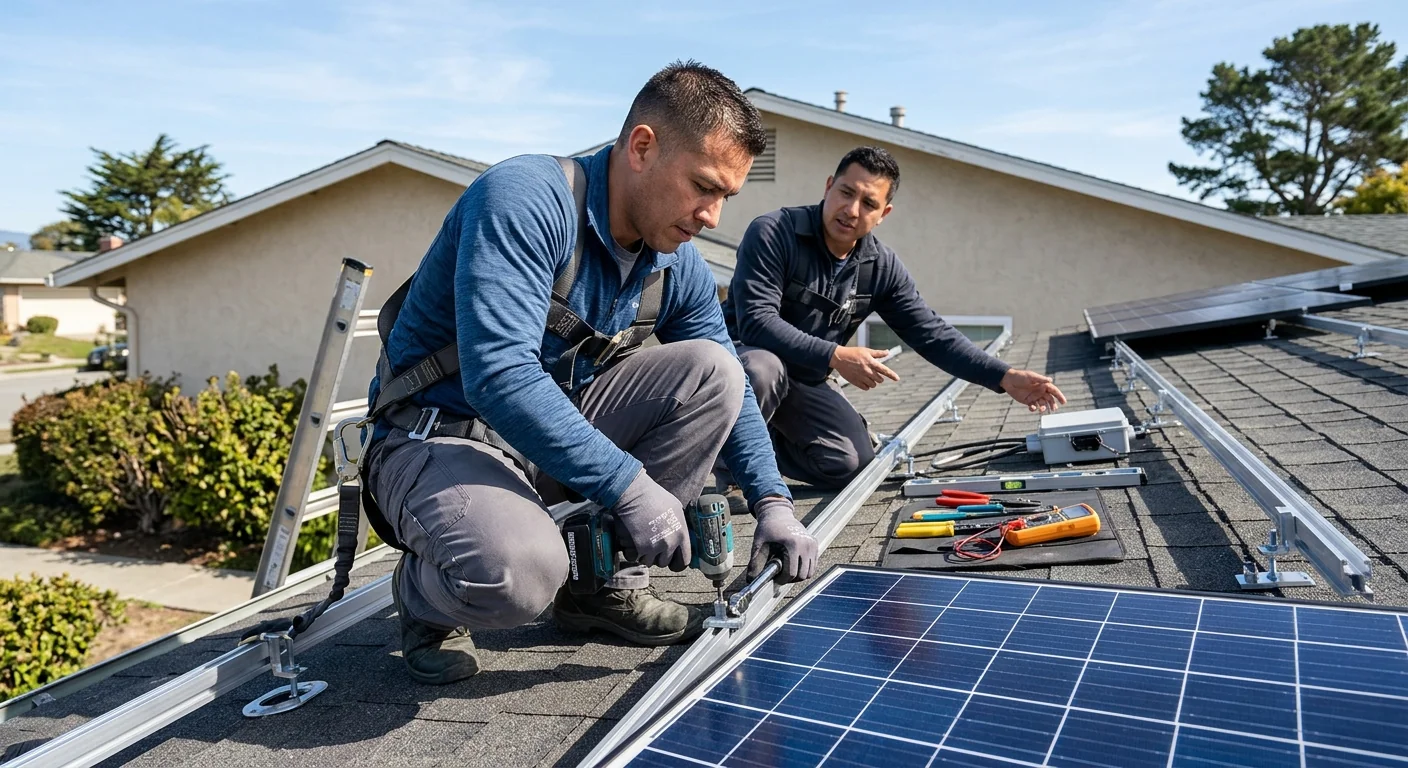
Rising utility bills, aging roofs ready for panels, and dependence on grid power are the clearest signs a Watsonville home needs residential solar installation. Many homeowners notice steep summer demand charges, undersized service panels, and no backup during Pacific Gas outages. Coastal marine layer also reduces poorly angled arrays. Heading into 2026, tighter net-metering terms make properly engineered PV systems, string inverters, and battery-ready wiring the practical resolution.
Click Me to Call: (831) 750-1086When monthly kilowatt-hour charges climb and tiered rates push costs higher, an engineered PV array with correct panel orientation offsets grid consumption and stabilizes long-term energy expenses.
Grid interruptions leave homes without power. Pairing solar modules with a battery storage system and a transfer-ready inverter keeps essential circuits running during Watsonville outages and evening peak periods.
South-facing roof space sitting unused, or an older array with degraded output, signals a system upgrade. Proper racking, flashing, and string design restore generation and protect the roof structure.
// Residential Solar Process //
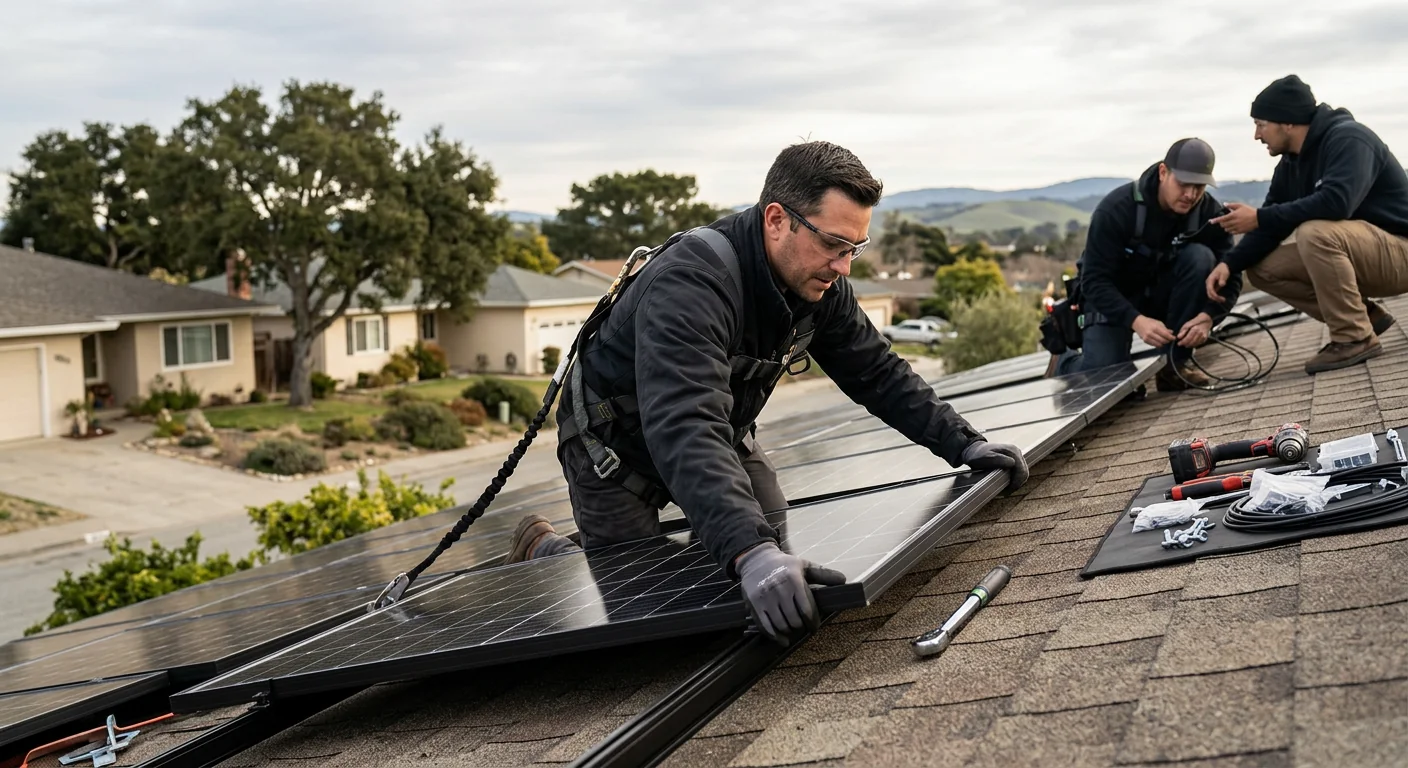
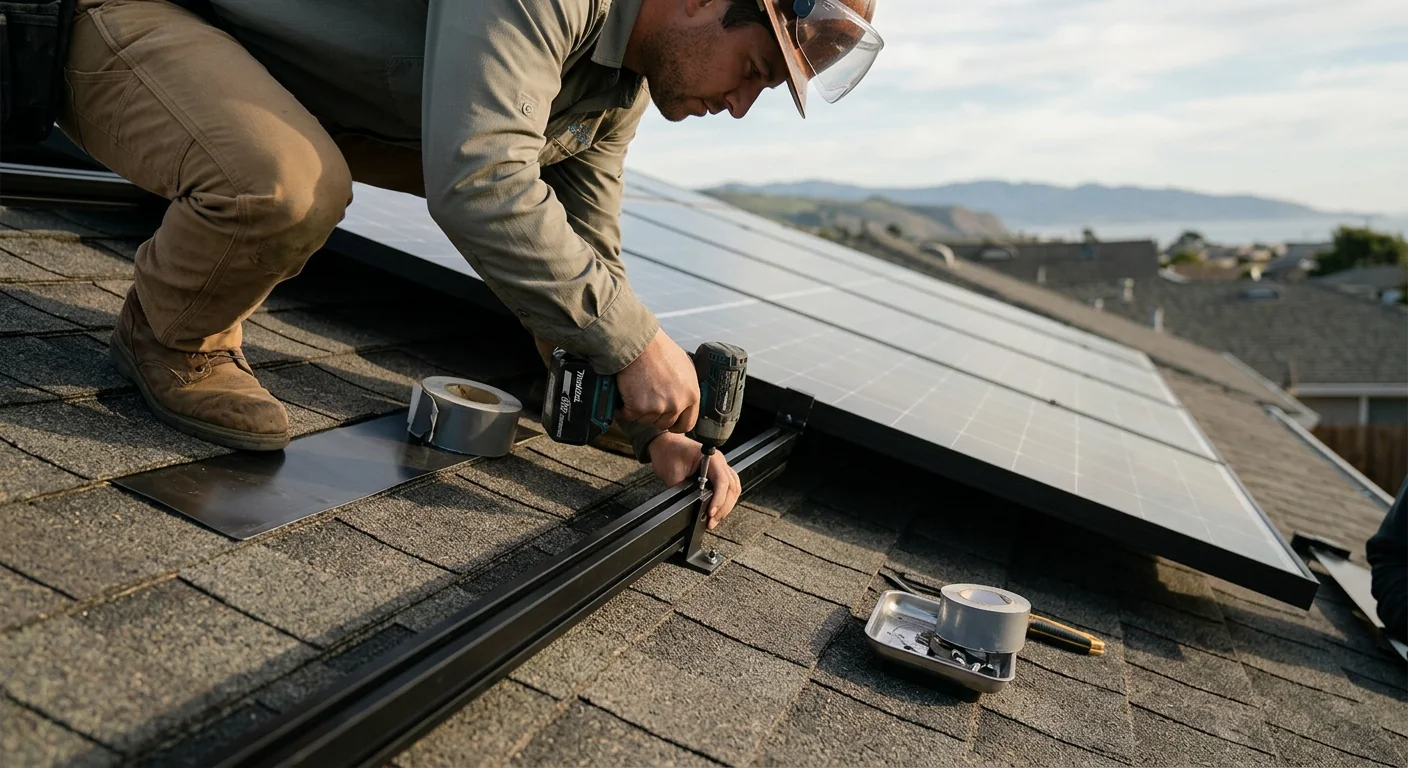
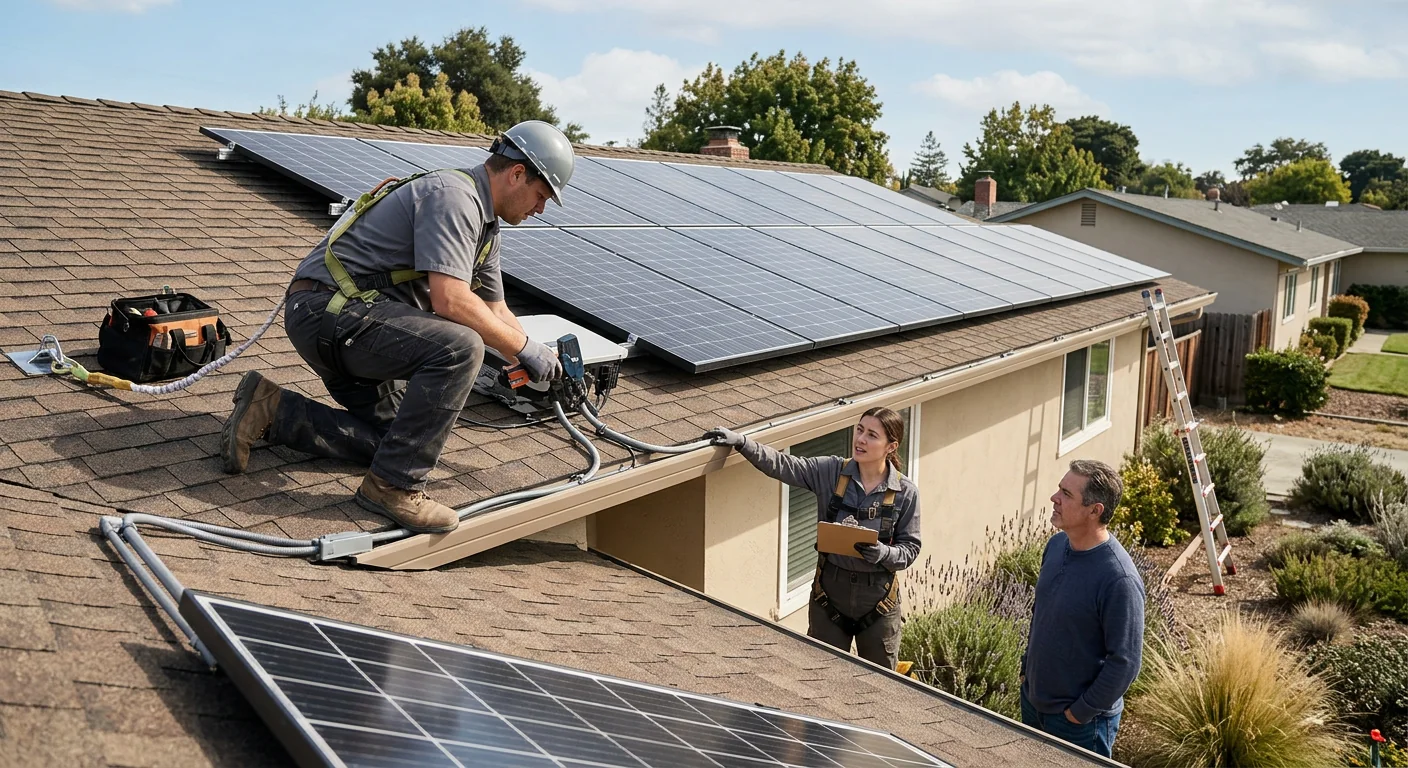
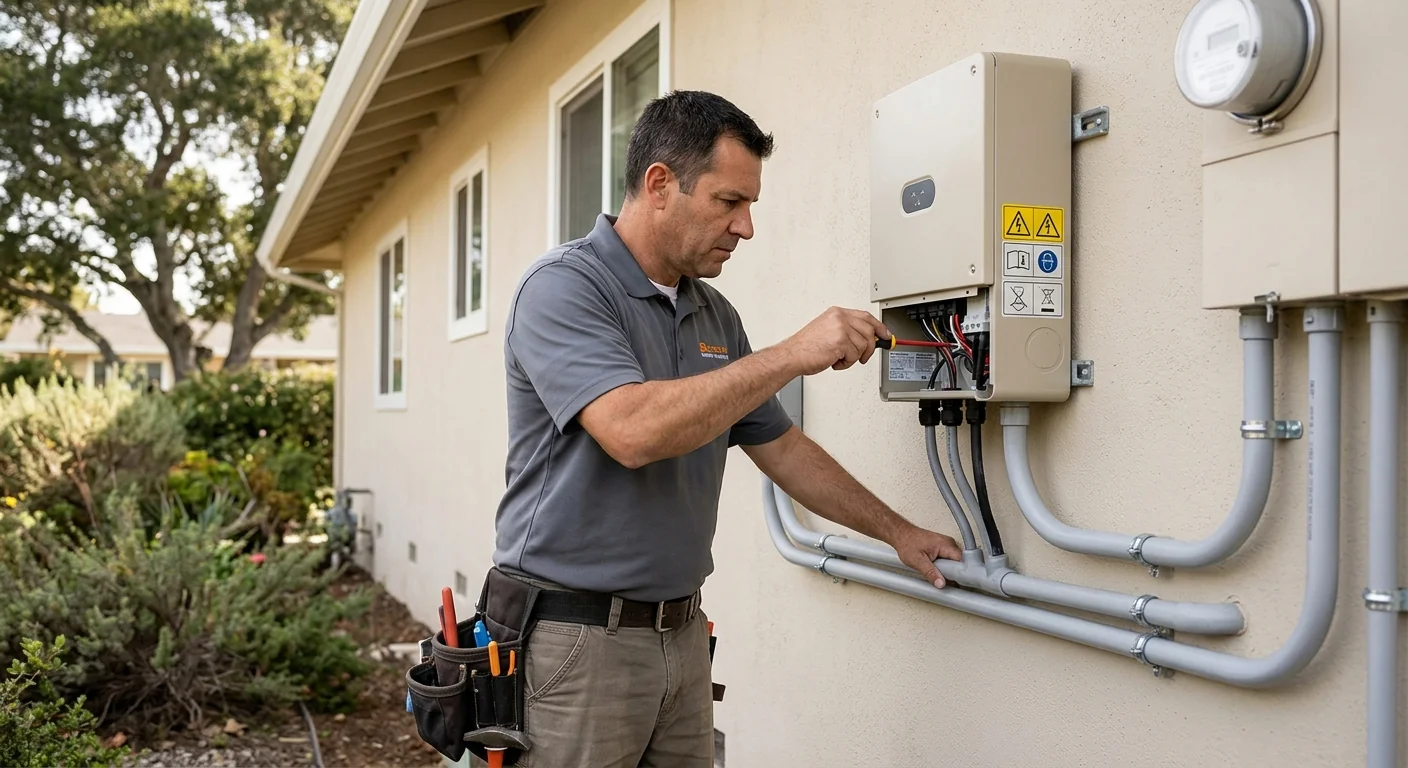
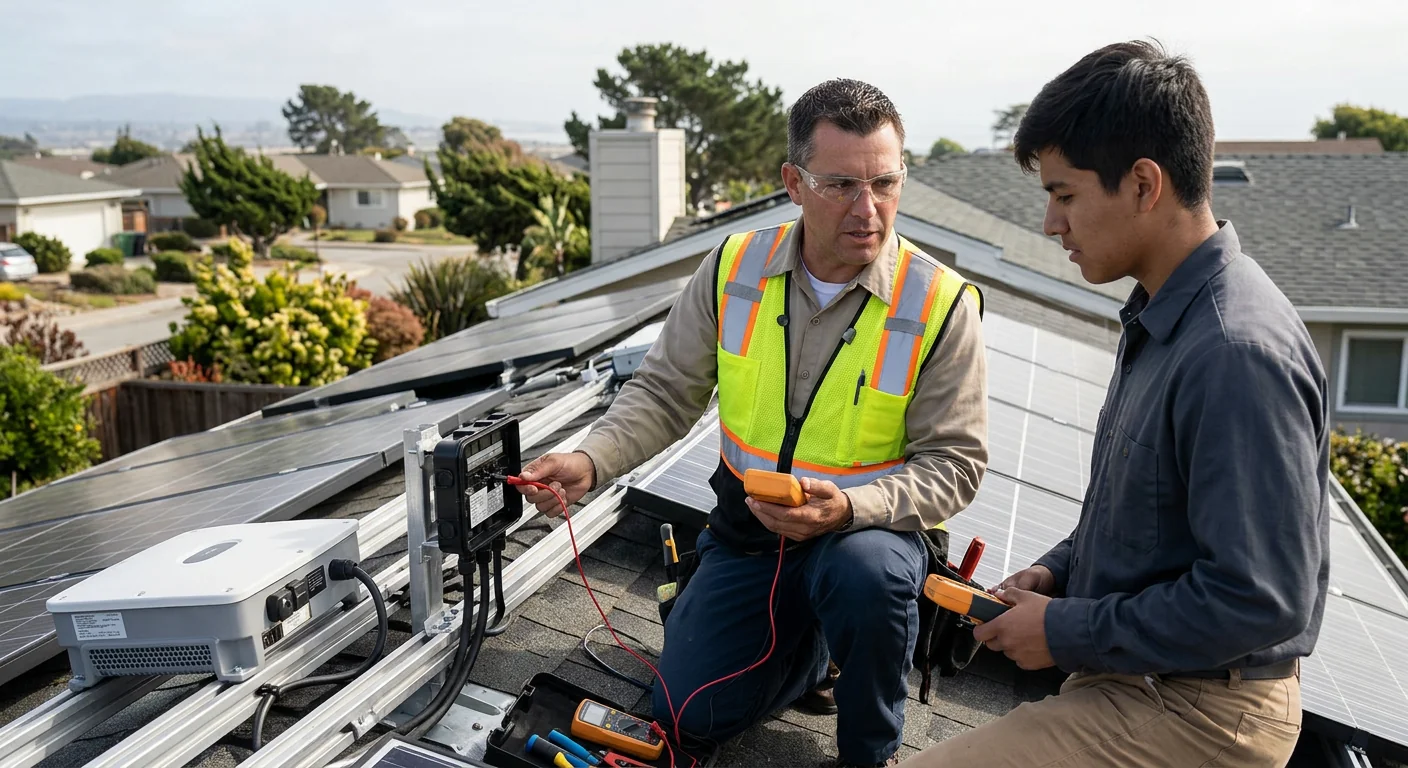
Watsonville homeowners choose our team because every residential solar project follows a documented sequence built on site-specific engineering, precise panel layout, and dependable follow-through. We begin with a written estimate that details array sizing, inverter selection, and roof mounting methods, so you understand the scope before installation day. Our crews arrive on the scheduled date, verify rafter spacing and load paths, and photograph each mounting point and wire run for your records. After the system is energized, we complete a post-job walkthrough covering the monitoring app, production expectations, and warranty documentation. Consistency matters here.
Throughout 2026, we continue applying the same repeatable process across pitched-roof and low-slope homes, adapting flashing and racking hardware to Watsonville’s coastal moisture and marine layer conditions. Each installation includes torque verification on mounting bolts, string voltage testing, and a scheduled follow-up to confirm steady production and address any questions. That measured approach keeps communication clear and results predictable for long-term homeowner confidence.
Request Your Written Estimate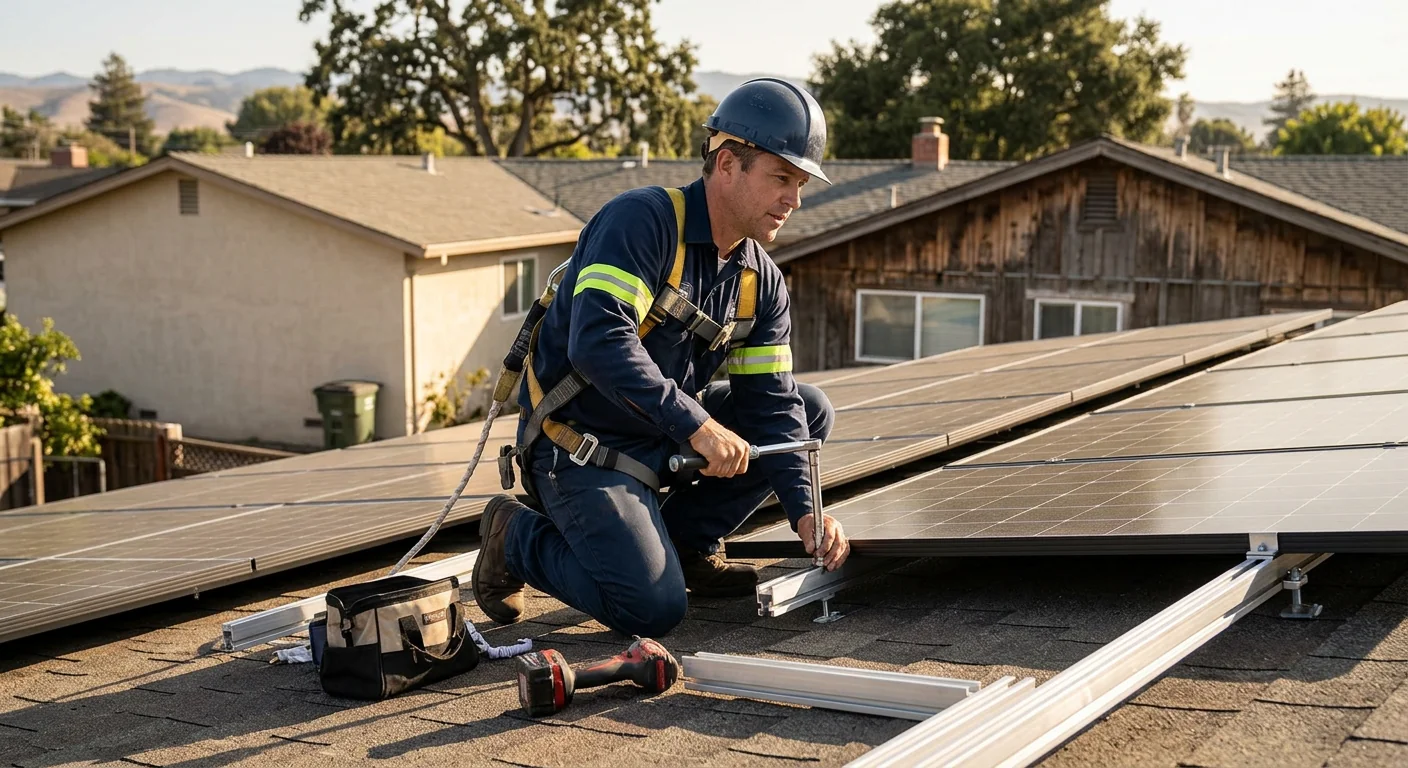
- Residential Solar Installation FAQs -
Most residential solar installations are completed within one to three days on site, depending on roof size, array configuration, and electrical panel upgrades. We confirm the schedule in advance, arrive on the agreed date, and keep you informed as racking, module mounting, and inverter wiring progress. A final inspection and utility interconnection step may follow, and we document each stage for your records.
A complete residential solar installation includes site evaluation, array design, roof mounting hardware, panel and inverter installation, DC and AC wiring, and system commissioning. We also handle string voltage testing, monitoring setup, and a post-job walkthrough so you understand production readings and warranty terms. Photo documentation of mounting points and conduit runs is provided as part of the closeout.
Clear access to your electrical panel, attic entry points, and the driveway helps the crew stage racking and wiring efficiently on installation day. We review roof access and any required tree trimming during the site evaluation so nothing delays the scheduled work. Letting us know about recent roof repairs also allows accurate flashing and load-path planning.
Residential solar pricing depends on system size in kilowatts, panel and inverter selection, roof complexity, and any electrical panel or service upgrades needed. We provide a written estimate that itemizes equipment, labor, and mounting hardware before any work begins, so there are no surprises. During 2026, we continue reviewing each Watsonville home individually rather than applying flat pricing.
Watsonville’s marine layer and coastal moisture influence our choice of corrosion-resistant racking, flashing, and sealed conduit entries to protect long-term system performance. We verify rafter spacing and load paths for local wind conditions and orient the array to account for morning fog patterns that affect early production. These adjustments keep the installation durable and consistent across coastal Watsonville homes.
// Free Residential Solar Estimates //