Off-grid solar systems provide independent power for Watsonville properties without utility grid access, ideal for rural parcels and agricultural land across the Pajaro Valley. Our team designs battery banks, charge controllers, and load calculations sized to your daily energy demand. We handle every step. Scheduling for 2026 installations is open now at Watsonville Solar Panel Installation Experts.
Send us your details and we'll get back to you to schedule a time to talk.
Thank you for contacting us. We will get back to you as soon as possible
Oops, there was an error sending your message. Please try again later
Reliable Off-Grid Solar in Watsonville
What Our Off-Grid Solar Systems Service Includes
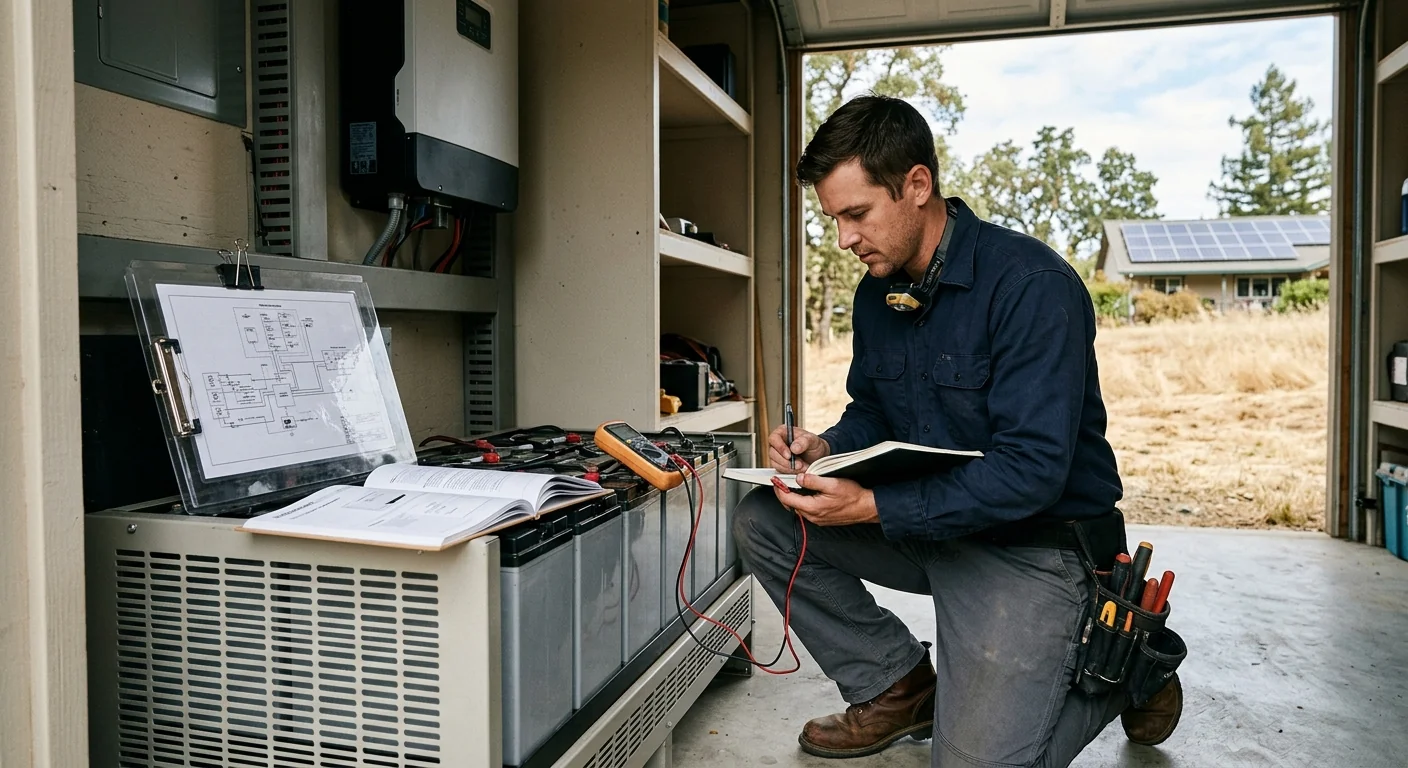
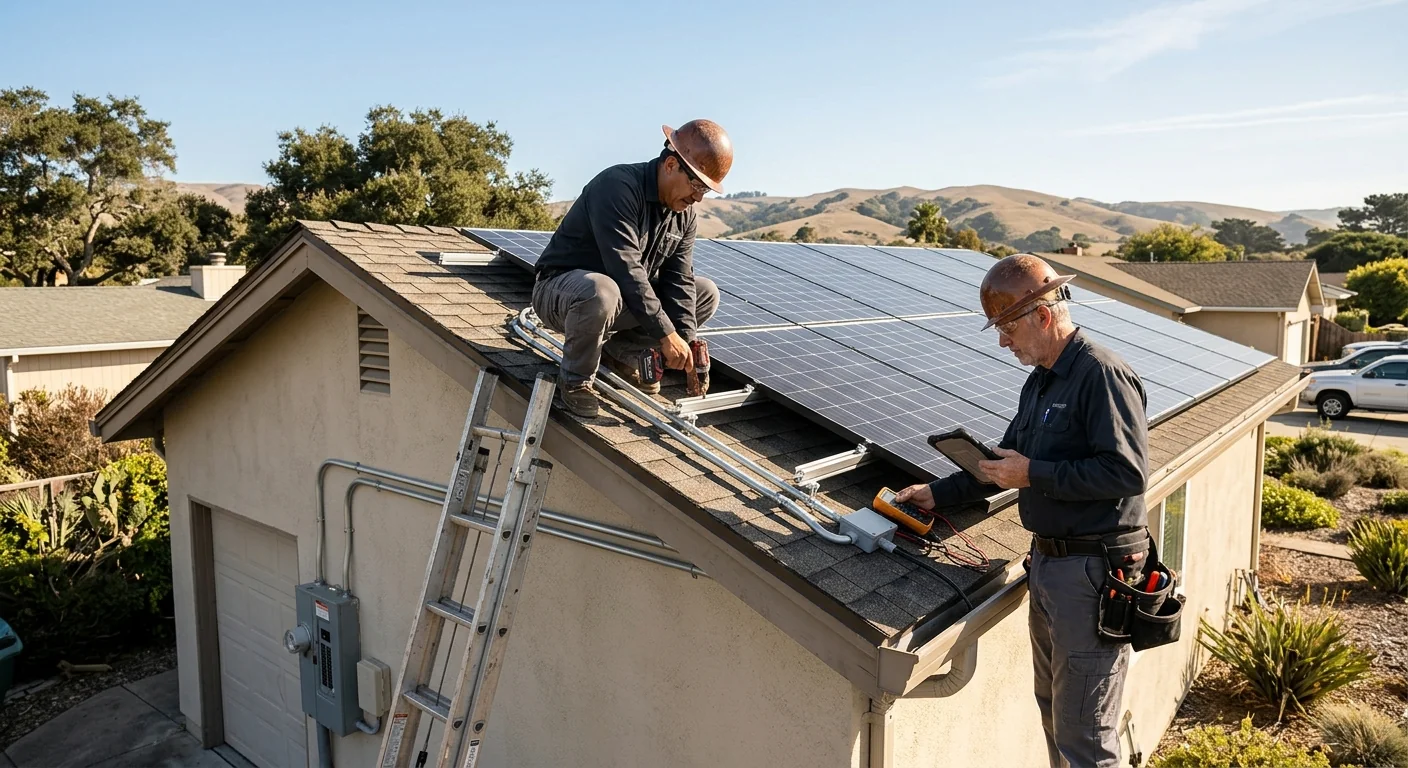
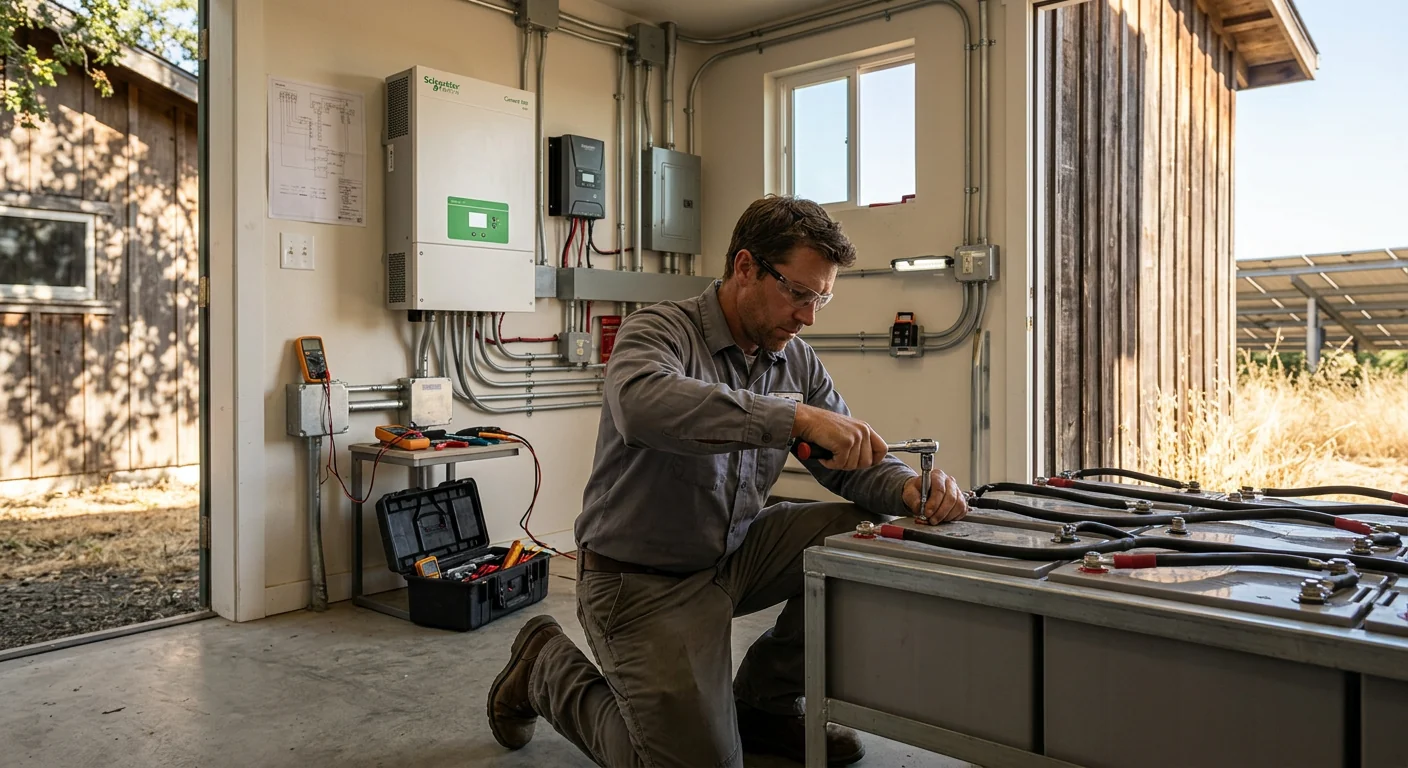
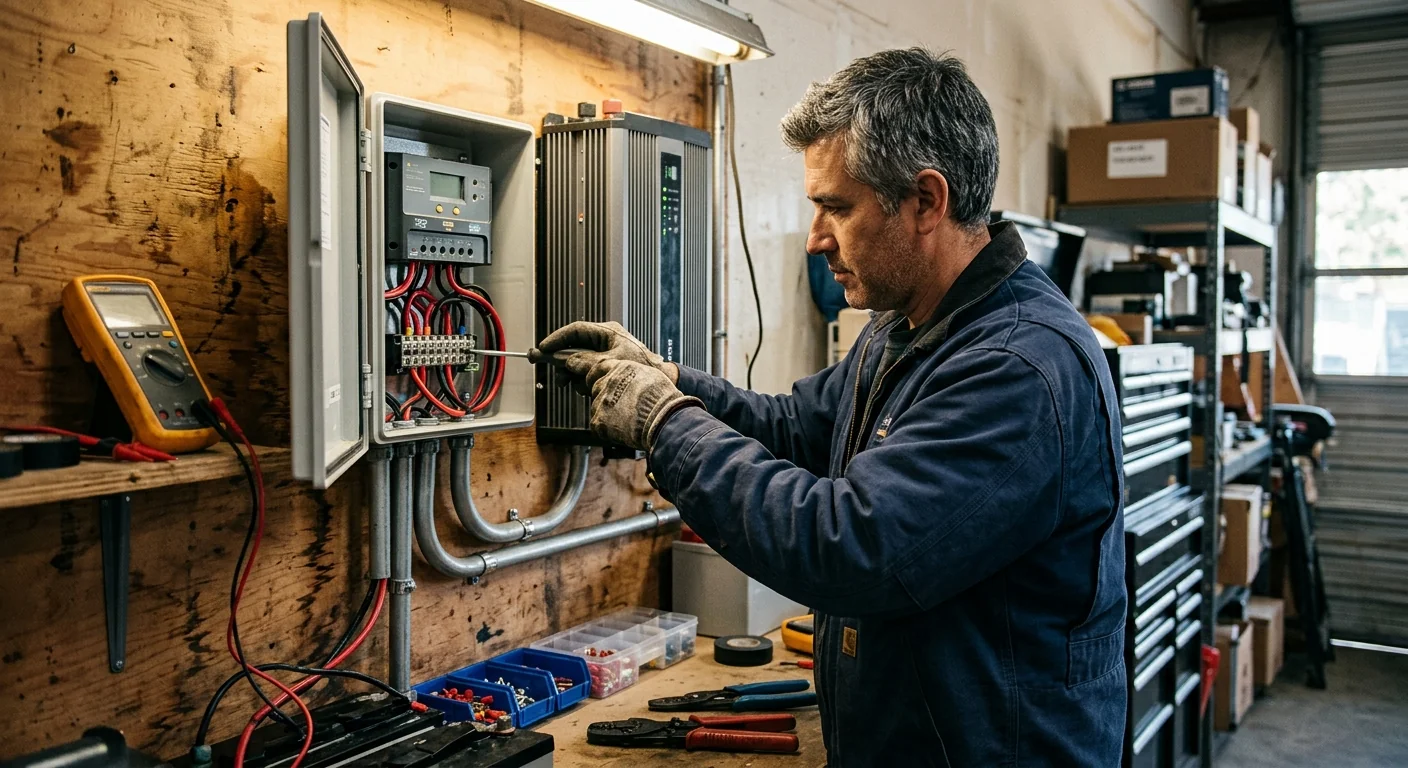
Off-grid solar systems are self-contained power setups that generate, store, and distribute electricity without a utility connection, and at Watsonville Solar Panel Installation Experts this work covers load analysis, battery bank sizing, charge controller selection, and inverter configuration across Watsonville properties. Our process begins with a site evaluation that measures daily energy consumption, sun exposure, and available mounting space before any equipment is ordered. We size deep-cycle battery storage and MPPT charge controllers to match your usage, then wire the array with proper overcurrent protection and grounding to code. Rural homes, agricultural buildings, and small commercial structures each receive a design tuned to their specific power demand.
Every installation follows a documented sequence, from panel mounting through system commissioning and a final performance check. We schedule work on set dates, explain each stage in plain terms, and leave you with clear records of the components installed. Our 2026 approach places added focus on battery health monitoring and seasonal load adjustments for the coastal climate around Watsonville. Consistent workmanship matters here. You receive dependable communication from the first assessment through long-term support.
How Much Does Off-Grid Solar Systems Cost in Watsonville?
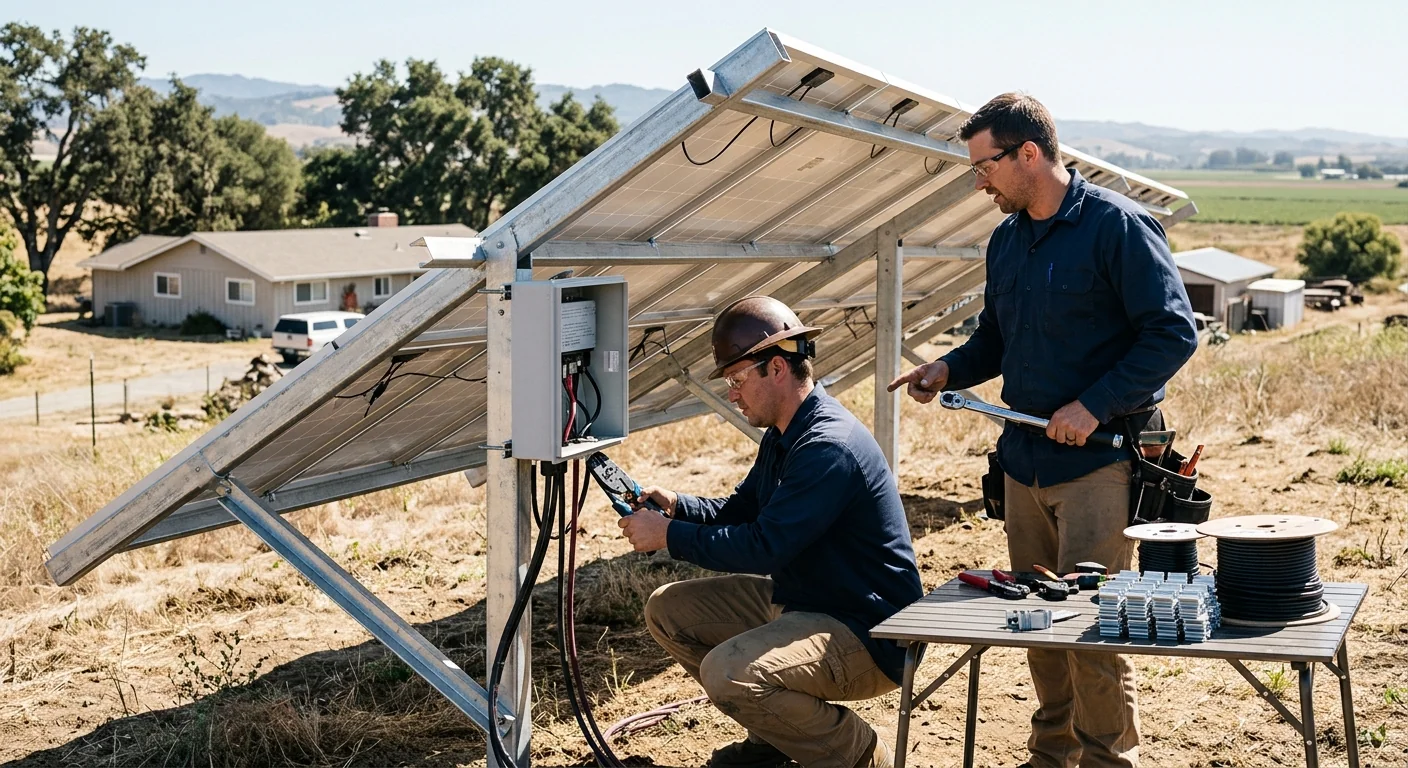
Off-grid solar systems pricing in Watsonville depends primarily on battery bank capacity, array wattage, and inverter sizing, with most 2026 jobs falling within typical local ranges once the load analysis is complete. Daily energy demand drives the largest cost differences, since a higher consumption profile requires more panels and greater deep-cycle storage. Charge controller type, either PWM or MPPT, also affects the total, along with mounting method and wiring runs across the property. Site conditions matter as well. Ground-mount installations on rural Watsonville parcels can add trenching and racking costs that rooftop setups avoid, while backup generator integration raises the equipment total. Permitting and code-compliant grounding are included in the scope so there are no surprises later. Exact pricing always requires an on-site assessment, because no two properties share the same sun exposure, load demand, or structural layout. After evaluating your site, we provide a free written estimate that lists each component and labor stage in clear detail. That way you know what you are paying for before work begins.
- Signs You Need Off-Grid Solar -
What Signs Mean Your Watsonville Property Needs Off-Grid Solar Systems?
Off-grid solar becomes necessary when a property lacks dependable grid access or faces frequent outages that standard service cannot cover. Watsonville owners often notice generator dependence, rising fuel costs, drained battery banks, and inconsistent power at remote parcels. Charge controllers fail. Heading into 2026, unstable rural feeders make a properly sized standalone array the practical resolution.
Running a backup generator daily signals inadequate autonomy. A correctly sized battery bank, inverter capacity, and photovoltaic array reduce fuel reliance and stabilize output across seasonal Watsonville demand shifts.
Failing Batteries and Voltage Drops
Premature battery degradation, low state-of-charge readings, and voltage sag point to undersized storage or a faulty charge controller. Proper capacity testing and load calculations correct these performance losses.
No Reliable Grid Access
Remote Watsonville parcels and outbuildings often sit beyond dependable utility service. A standalone system with balanced generation, storage, and inverter output delivers consistent power without a grid connection.
//Off-Grid Solar Process//
How Does Our Off-Grid Solar Systems Process Work?
1
Site Assessment and Load Analysis
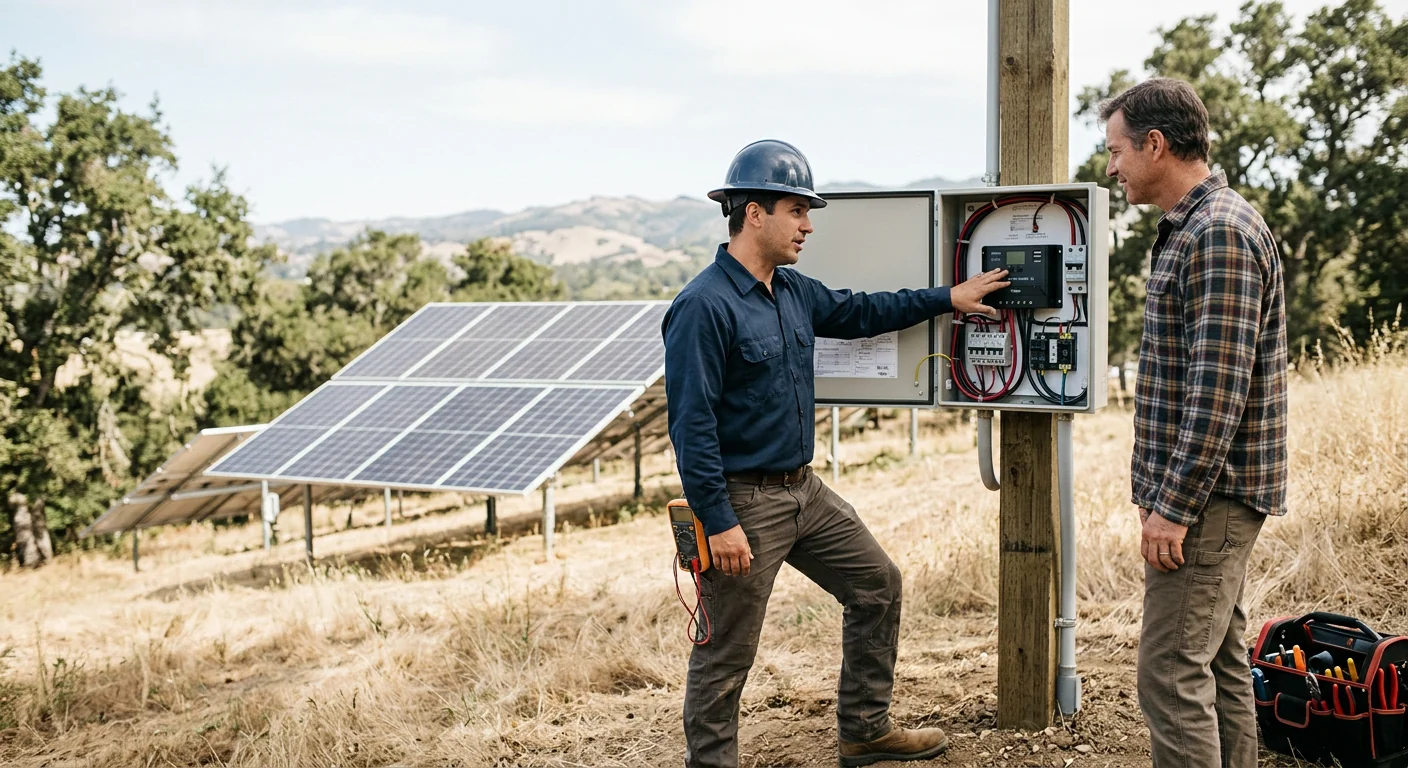
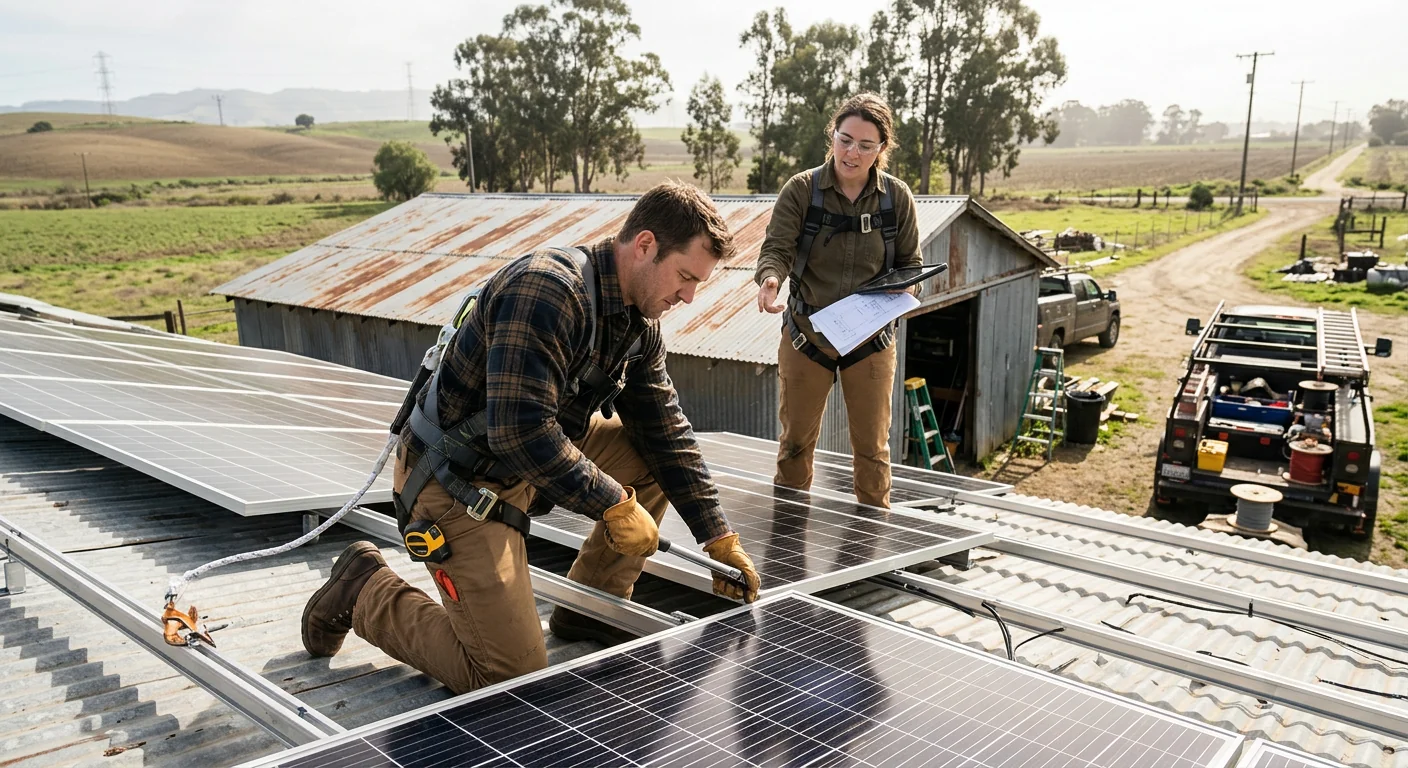
We begin with an on-site evaluation of your energy demand, roof or ground-mount conditions, sun exposure, and shading. Load calculations determine required array size, battery capacity, and inverter rating before any equipment is ordered.
2
System Design and Written Estimate
Using the collected data, we design a standalone system sized for your autonomy needs and prepare a written estimate. The plan specifies panel wattage, battery bank capacity, charge controller type, and inverter configuration.
3
Permitting and Scheduling
We handle applicable permits and coordinate an installation date that fits your schedule. Clear communication keeps you informed at each milestone so nothing is left uncertain.
4
Installation and Wiring
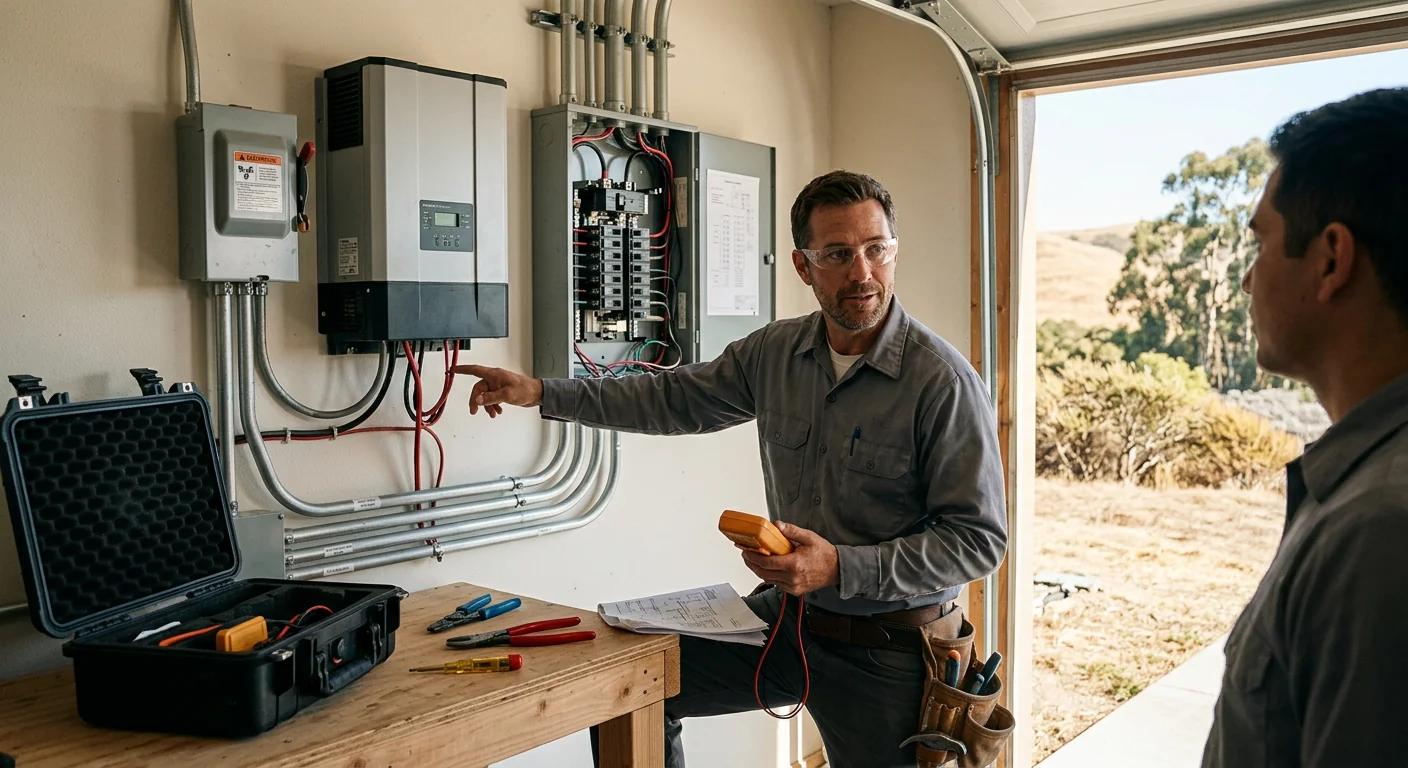
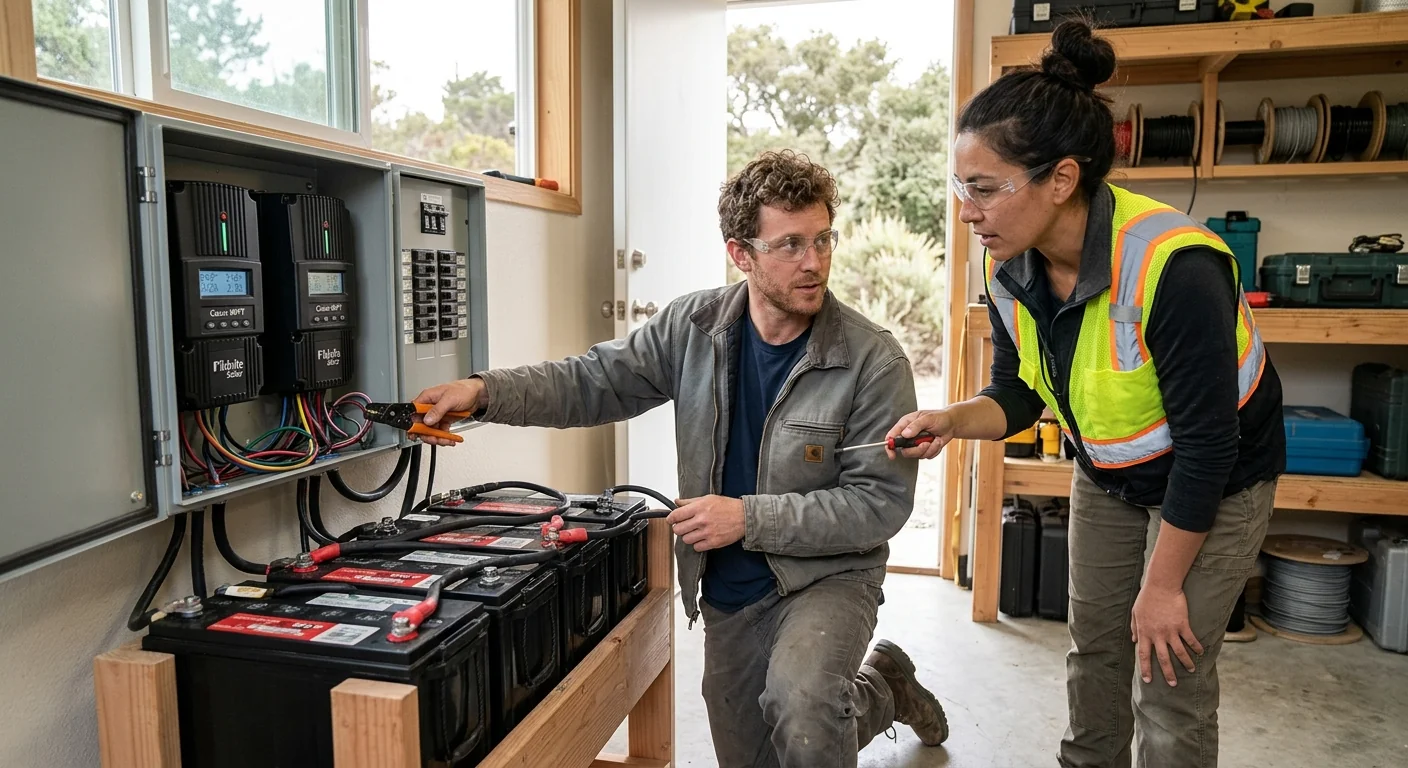
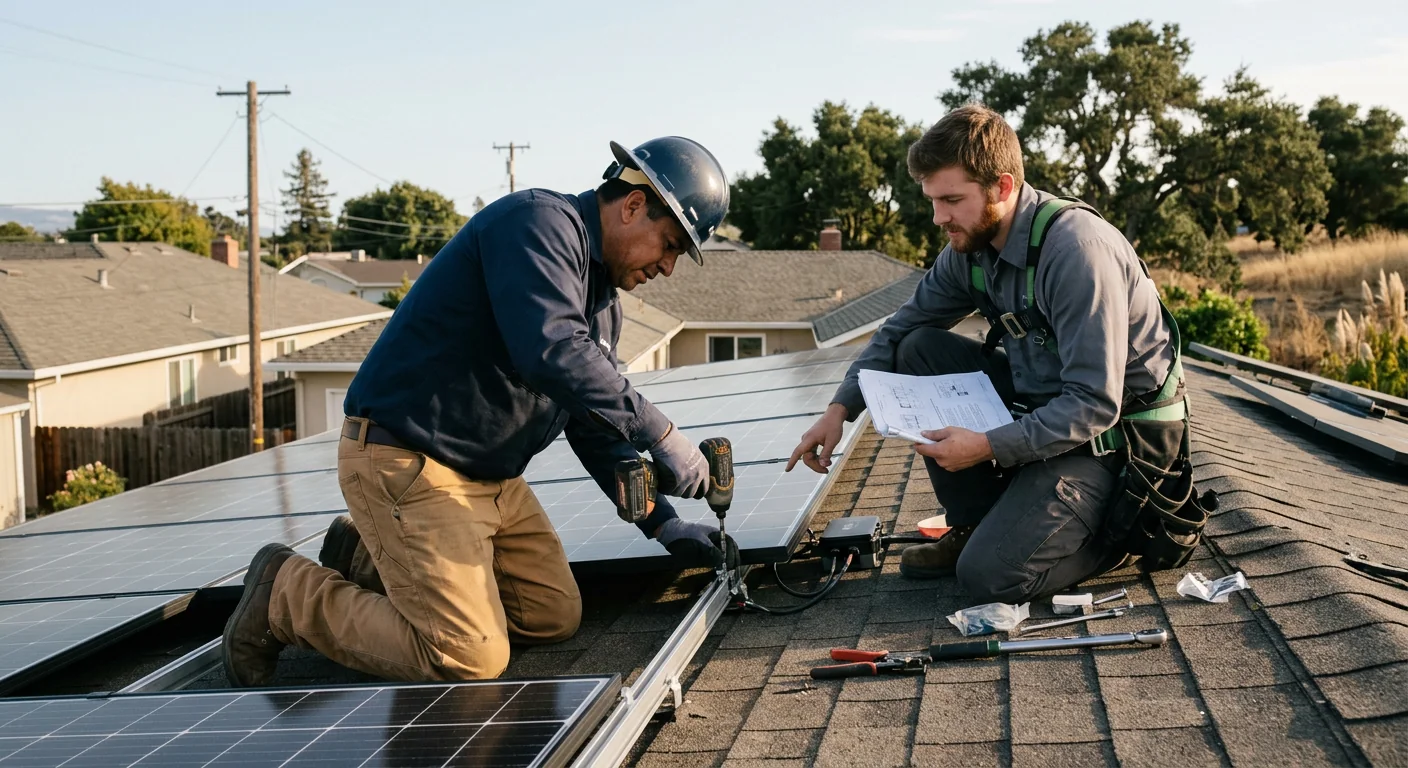
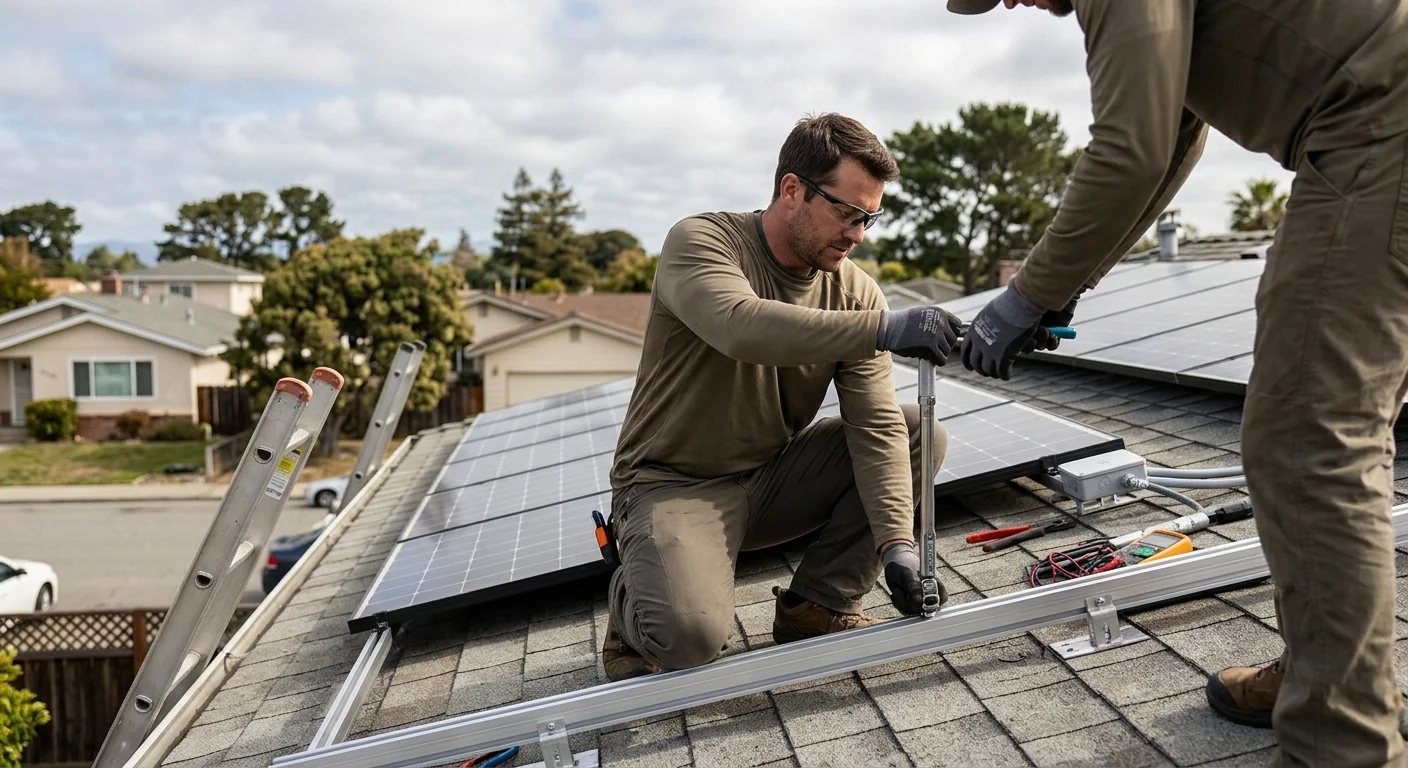
Our crew mounts the array, installs the battery bank, and wires the charge controller and inverter to code. Every connection is torqued, labeled, and documented for future maintenance.
5
Testing and Post-Job Walkthrough
We verify voltage, charge cycles, and inverter output under load before signing off. A post-job walkthrough explains system operation and maintenance so you understand exactly how your setup performs.
Off-Grid Solar Systems Work Completed in Watsonville in 2026
Why Do Watsonville Homeowners Trust Us for Off-Grid Solar Systems?
Watsonville property owners trust us for off-grid solar systems because we design each battery bank, charge controller, and inverter configuration around measured load demands rather than rough estimates. Our team begins with a documented site evaluation that records daily consumption, panel orientation, and available sun hours before any equipment is specified. We provide written estimates that itemize array sizing, depth-of-discharge targets, and autonomy days so nothing is left uncertain. Every installation ends with a post-job walkthrough where we verify voltage readings and explain the monitoring interface in plain terms.
Reliability guides how we schedule and complete each project in 2026, from confirmed arrival windows to photo documentation of every wiring termination and grounding connection. We follow repeatable commissioning procedures, testing state-of-charge behavior and inverter cutover under realistic conditions. Follow-up visits are scheduled in advance so your system stays properly balanced through Watsonville’s coastal weather shifts. Clear communication carries through the entire process. That consistency is what keeps homeowners confident long after the array goes live.
Sizing an off-grid system starts with a documented load calculation that adds up your daily kilowatt-hour usage, then matches it to battery bank capacity, autonomy days, and available sun hours. We measure panel orientation and shading before specifying the array, so the charge controller and inverter are rated for real conditions rather than guesses. This evaluation is shared in a written estimate you can review before work begins.
Scheduling should begin once the site evaluation and equipment specification are complete, since battery banks and inverters often require lead time to source. We confirm an arrival window in advance and keep you updated if any component delivery affects the timeline. Organized scheduling helps us stay consistent across residential and rural properties around Watsonville.
A complete off-grid installation includes the solar array, mounting hardware, charge controller, battery bank, inverter, and all wiring, grounding, and overcurrent protection required for safe operation. We commission the system by testing state-of-charge behavior and inverter output under load, then document each termination with photos. A post-job walkthrough covers monitoring and routine maintenance so you understand how the system performs.
Off-grid solar costs in Watsonville depend on your daily energy demand, the battery chemistry and capacity you choose, and the inverter size needed to carry your peak loads. Because these variables differ from one property to the next, we provide an itemized written estimate after the load calculation rather than a flat figure. This keeps pricing transparent and tied to the equipment your specific system requires.
An off-grid system designed for Watsonville’s coastal conditions accounts for marine-layer fog and reduced winter sun hours by building extra autonomy days into the battery bank sizing. In 2026 we continue using field measurements of local sun exposure to size arrays that maintain steady state-of-charge through overcast stretches. Scheduled follow-up visits let us verify the charge controller settings stay tuned to seasonal changes.
//Free Off-Grid Solar Estimates//
Schedule Off-Grid Solar Systems in Watsonville
Planning an off-grid system for your Watsonville property in 2026 starts with a clear conversation about your energy loads, battery sizing, and site conditions. Our team provides a free written estimate that outlines equipment selections, inverter capacity, and the installation sequence, with no obligation to proceed. We keep scheduling organized and confirm each appointment so you know exactly when work begins. Reach out today and let our technicians map out a dependable off-grid solution built for your needs.